Media Center - News
“Misr El Kheir” organizes a round table on “The Role of Civil Society Organizations and Cooperatives in Supporting Climate-Smart Agriculture” towards achieving climate justice




News Details
Nov 25, 2025
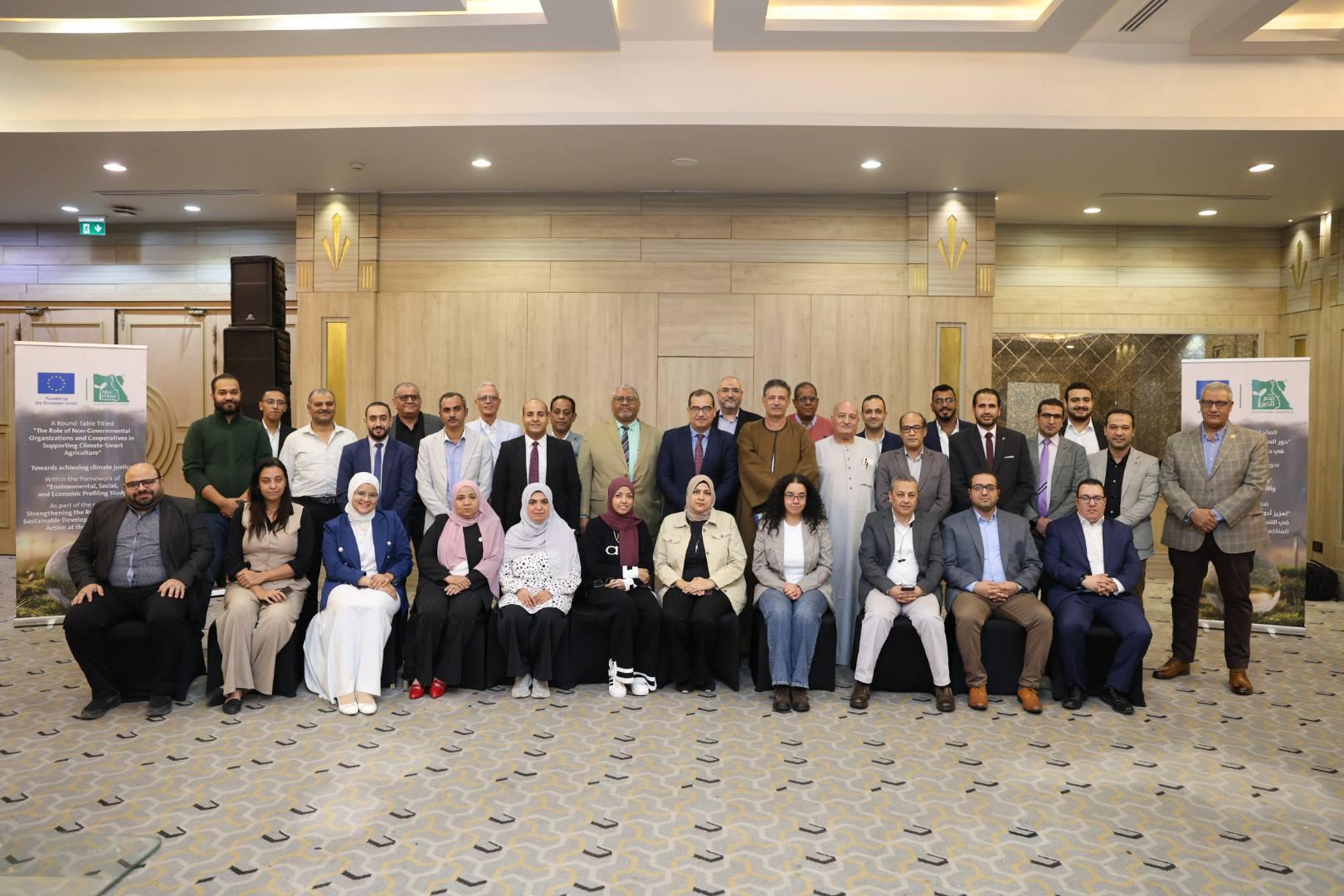
The round table organized by the Misr El Kheir Foundation was held today
"The role of civil society organizations and cooperatives in supporting climate-smart agriculture... towards achieving climate justice"
Within the activities of the project “Enhancing the Roles of Non-Governmental Organizations in Sustainable Development and Climate Action,” funded by the European Union with the participation of representatives of government agencies, civil society associations, agricultural cooperatives, research centers and universities, small farmers, the private sector, and international bodies.
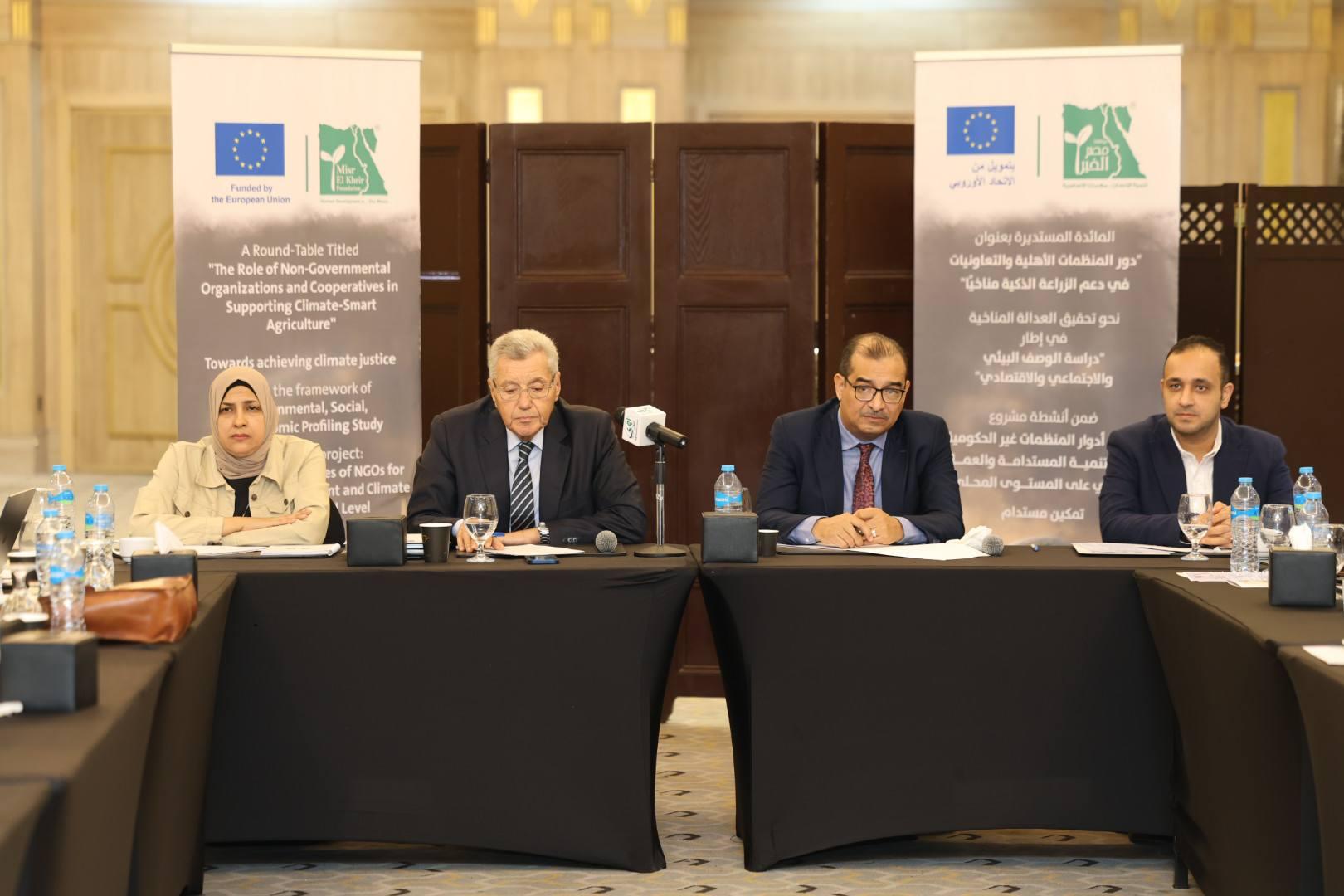
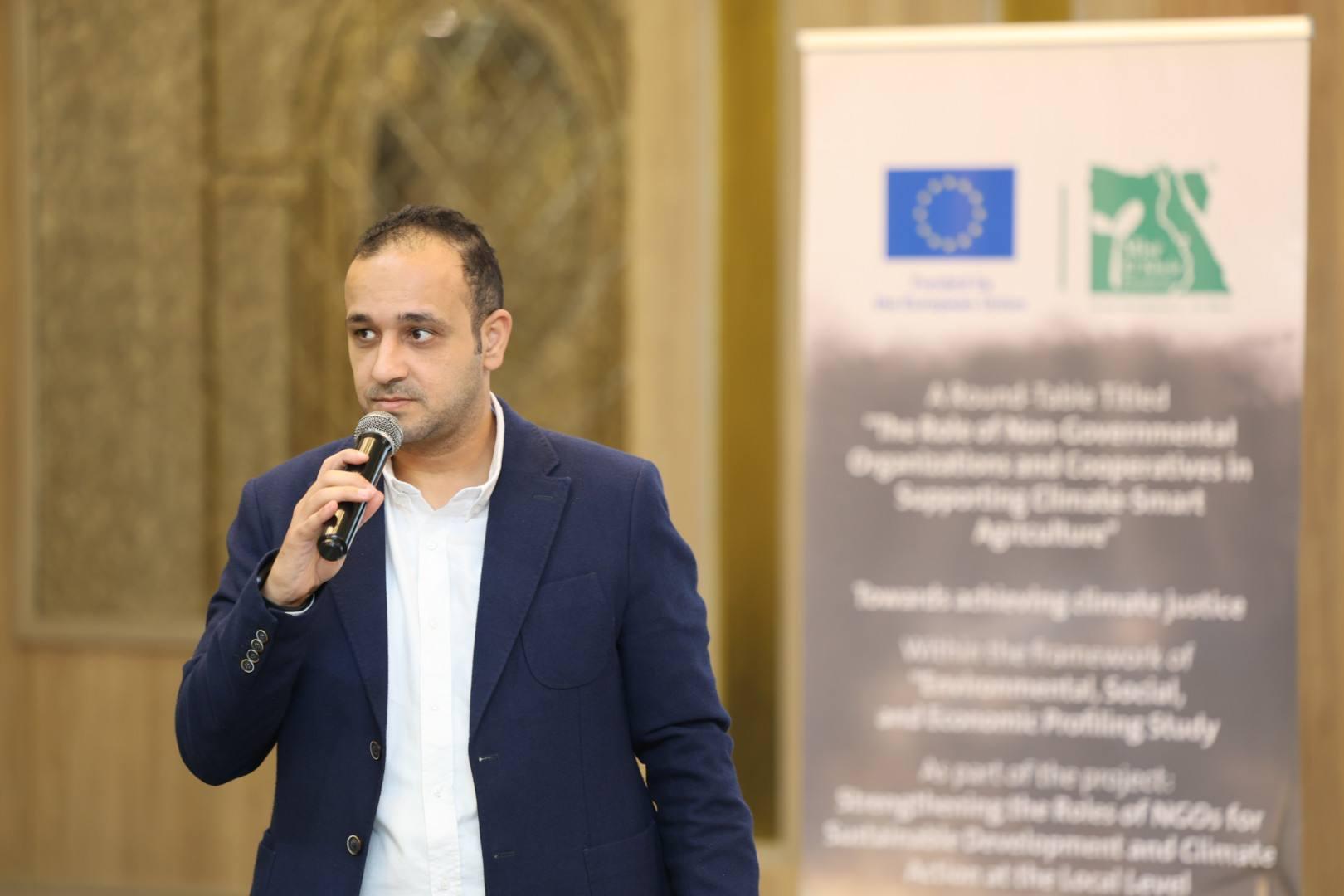
D. Mohamed Mamdouh, Head of the NGO Development Sector at the Misr El Kheir Foundation: “We have a gap between the reality of civil society practices and what we aspire to in the field of climate-smart agriculture, and this calls for strengthening the capabilities of civil society organizations and cooperatives to become an effective partner in the agricultural renaissance.”
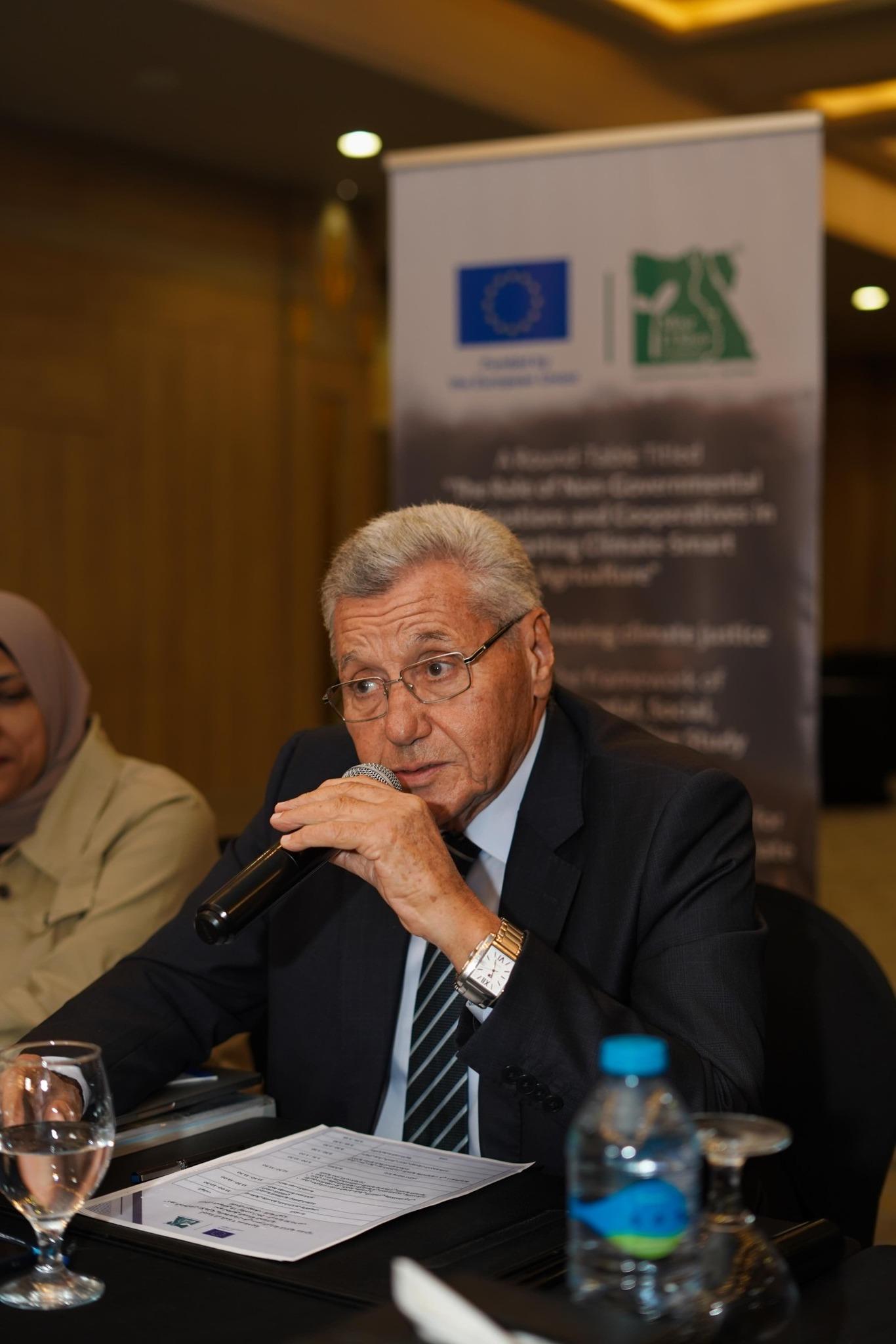
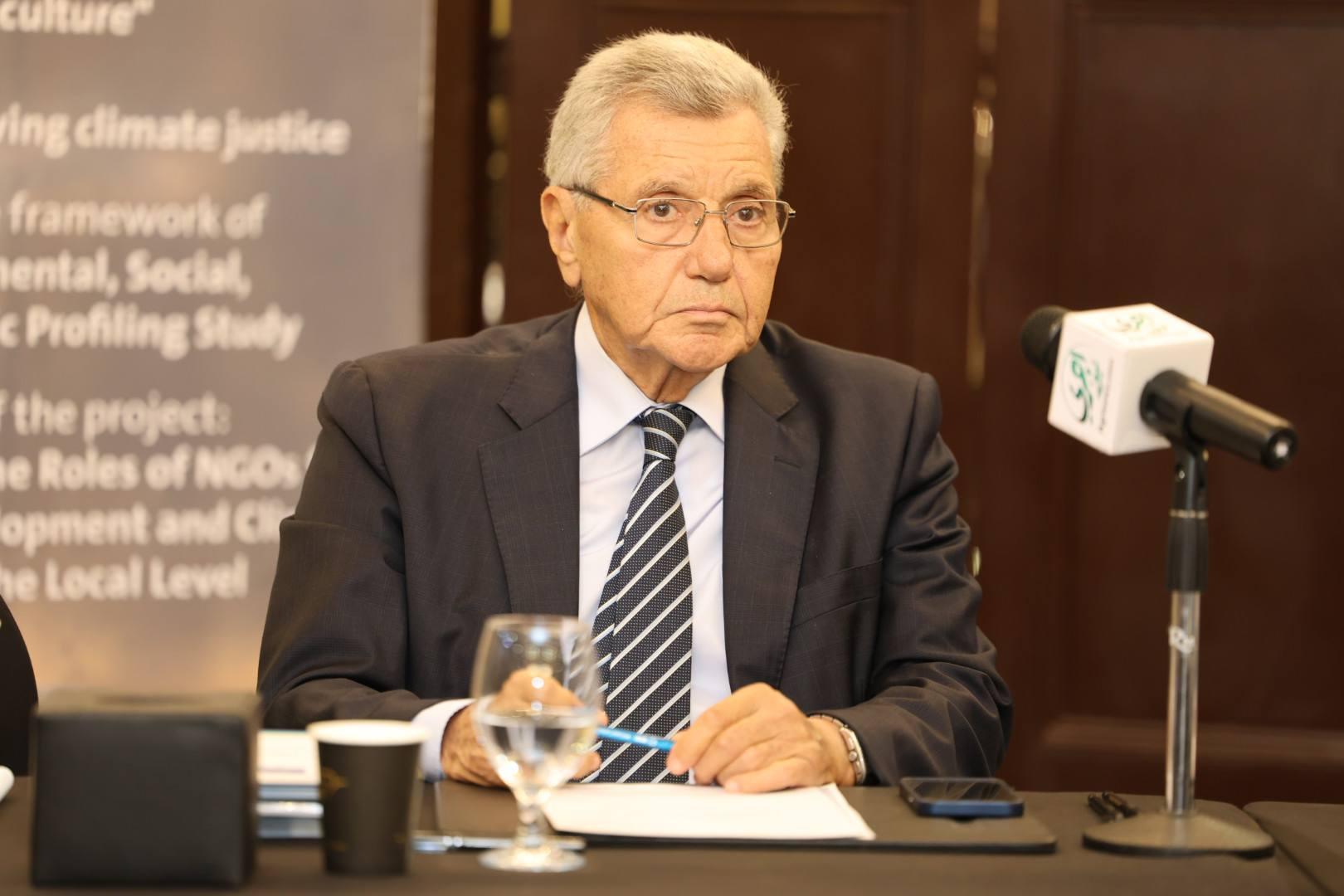
D. Hussein Abaza, member of the National Committee for Green Projects: “Achieving sustainable agriculture requires rationalizing water consumption and moving away from traditional systems, because the cost of climate change will not be borne by the state alone, but by the entire society.”
The table was held within the framework of the “environmental, social and economic description” study conducted in the four targeted governorates (Fayoum - Beni Suef - Luxor - Aswan), which revealed problems related to water shortages, soil deterioration, weak agricultural extension, and high production costs, which affects the resilience of rural communities and the quality of agricultural production.
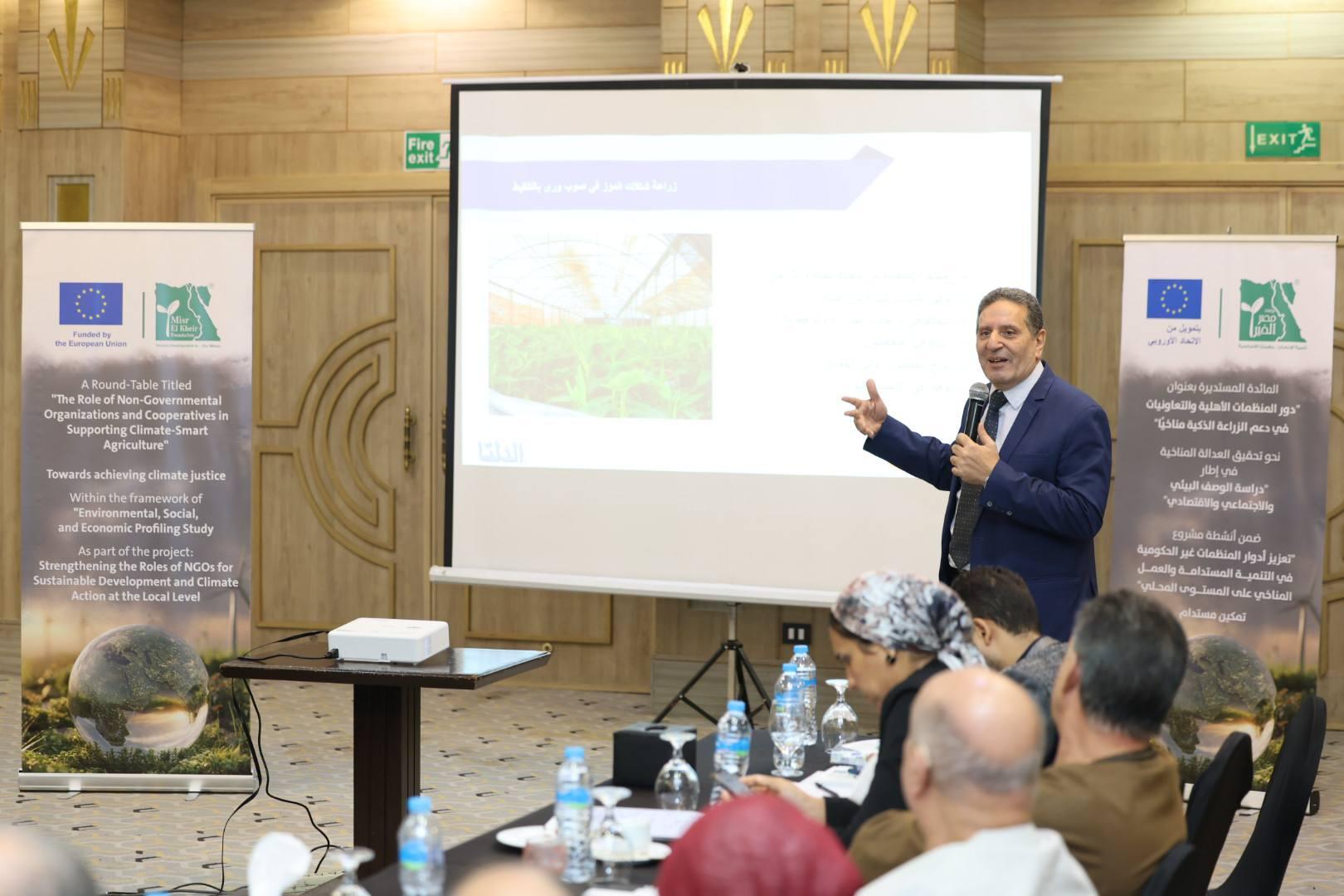
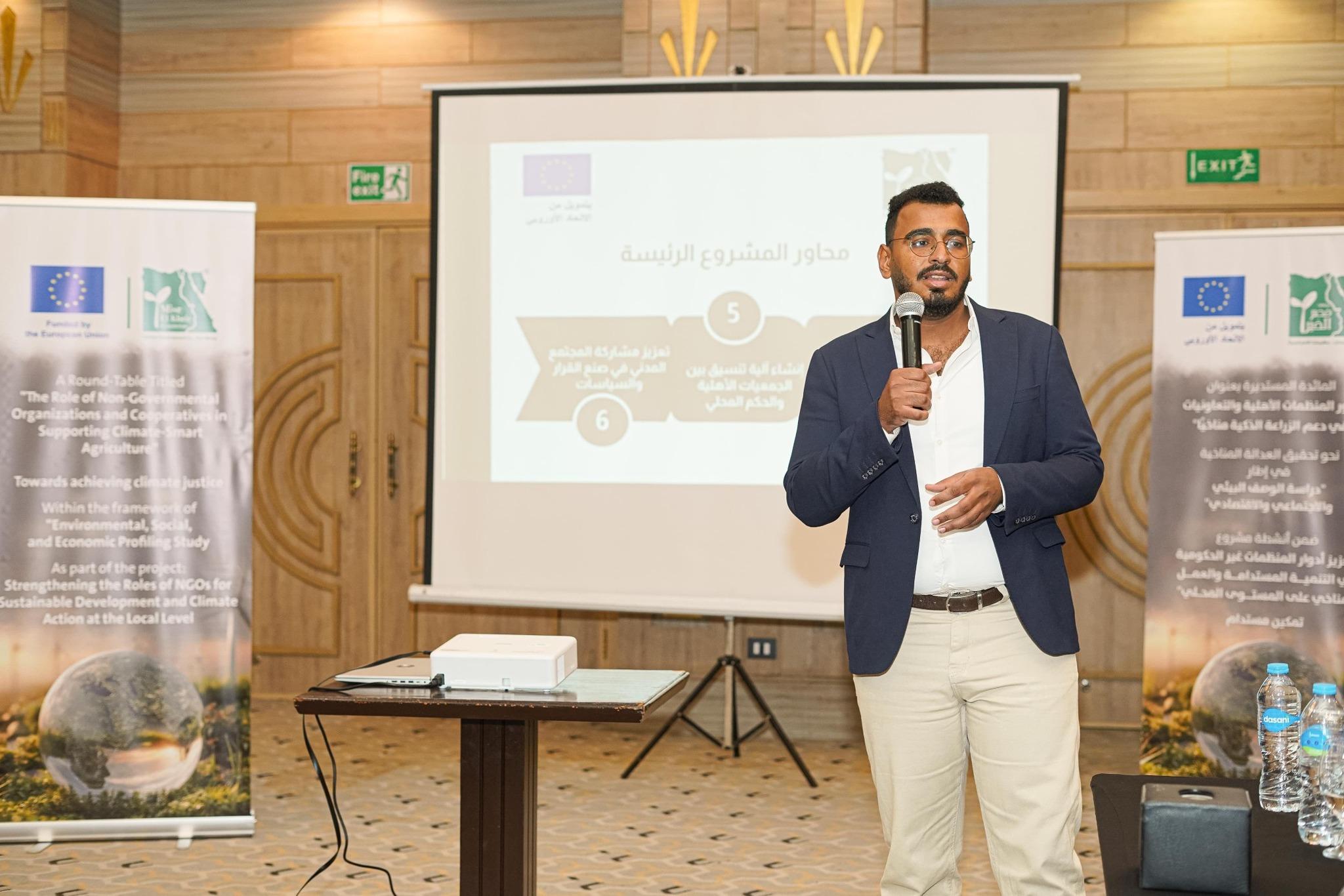
The table included extensive presentations that addressed the reality of agricultural cooperatives, legislative challenges, and the role of the state in supporting financing without administrative intervention, in addition to reviewing agricultural policies related to improving productivity and value chains. The results of the Luxor study were also presented, which highlighted the need to strengthen agricultural extension and water and soil management, in addition to reviewing the experience of the Misr El Kheir Foundation in building the capacities of associations and developing practical models for sustainable agriculture in Upper Egypt.
The table included the holding of four parallel workshops that addressed the following topics:
Farmer capacity building and agricultural extension - agricultural technology - finance and value chains - agricultural partnerships.
The workshops came out with practical recommendations, the most notable of which are:
1) Strengthening agricultural capabilities and extension: providing agricultural extension services through communication platforms, digital groups, and smart applications, and establishing community extension centers led by associations in cooperation with research centers.
2) Developing value chains and contract farming: supporting contracts between agricultural associations and companies to ensure marketing and improve farmers’ access to markets through sustainable and fair marketing models.
3) Agricultural technology: introducing modern irrigation techniques, and using agricultural technology in monitoring and agricultural operations.
4) Policies and governance: Issuing a unified law for cooperatives that suits modern requirements. And creating a unified body responsible for financial procedures, grants and partnerships (a national platform).
5) Financing: Activating the lending initiative to small farmers from the Central Bank at a rate of 5%. And improving green financing mechanisms for agricultural projects.
6) Climate adaptation: enhancing the ability of rural communities to adapt to climate change, reducing dependence on traditional agriculture and rationalizing water consumption.